
Donald Drumpf keeps saying that the United States doesn't need anything from Canada... eh!
***
Allan:
America and Canada share more than just the world’s longest international border. Every single day, essential resources flow south across that border, powering homes, building cities, and keeping industries running across the United States.
These aren’t luxury items. They’re the backbone of American infrastructure, energy systems, and manufacturing that millions of people depend on without even realizing it.
When you flip on a light switch, drive to work, or walk into a newly built home, there’s a good chance Canadian resources played a role in making it happen.
This northern neighbour supplies critical materials that would be extremely difficult and expensive to replace!
Here’s a closer look at the Canadian resources that keep America running smoothly.
1. Crude oil:
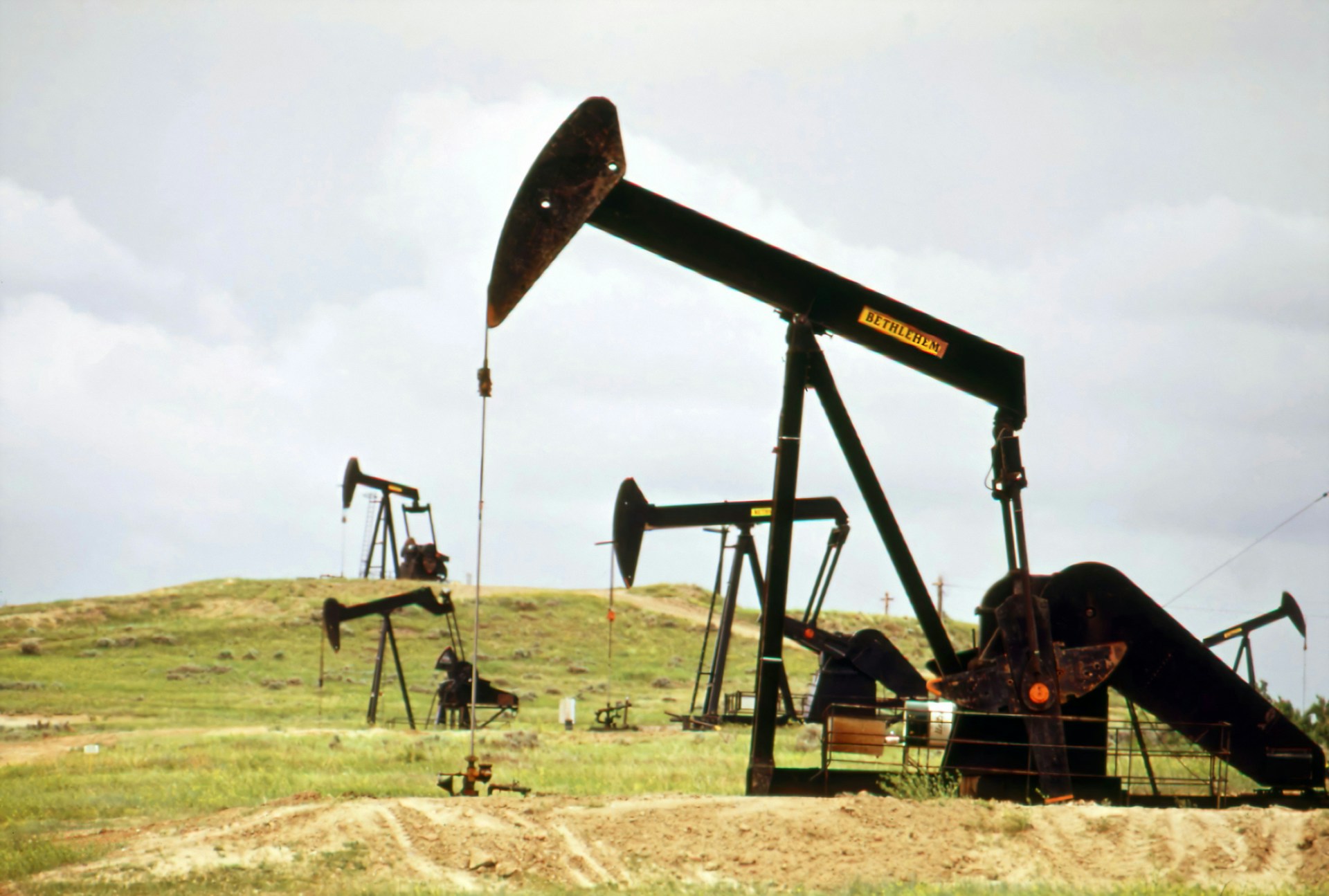
Canada is America’s largest foreign oil supplier, sending roughly 4.9 million barrels across the border every single day in 2023. This oil keeps gas stations stocked, planes flying, and delivery trucks moving across the country. The majority comes from Alberta’s oil sands, which contain one of the world’s largest petroleum reserves.
American refineries are specifically designed to process the heavy crude that Canada produces. Switching to other suppliers would require massive infrastructure changes costing billions of dollars.
Without this steady flow, gas prices would spike and energy security would take a serious hit.
2. Natural gas:

Millions of American homes stay warm thanks to Canadian natural gas that also powers electrical plants across the country. Nearly 9% of America’s natural gas consumption comes directly from Canadian wells and processing facilities. During harsh winter months, this percentage jumps even higher as demand for heating fuel skyrockets.
The pipeline infrastructure connecting Canadian gas fields to American cities is massive and irreplaceable in the short term. Many American utility companies have built their entire business models around a reliable Canadian supply. This energy partnership helps keep heating bills manageable while reducing reliance on more distant suppliers.
3. Electricity:
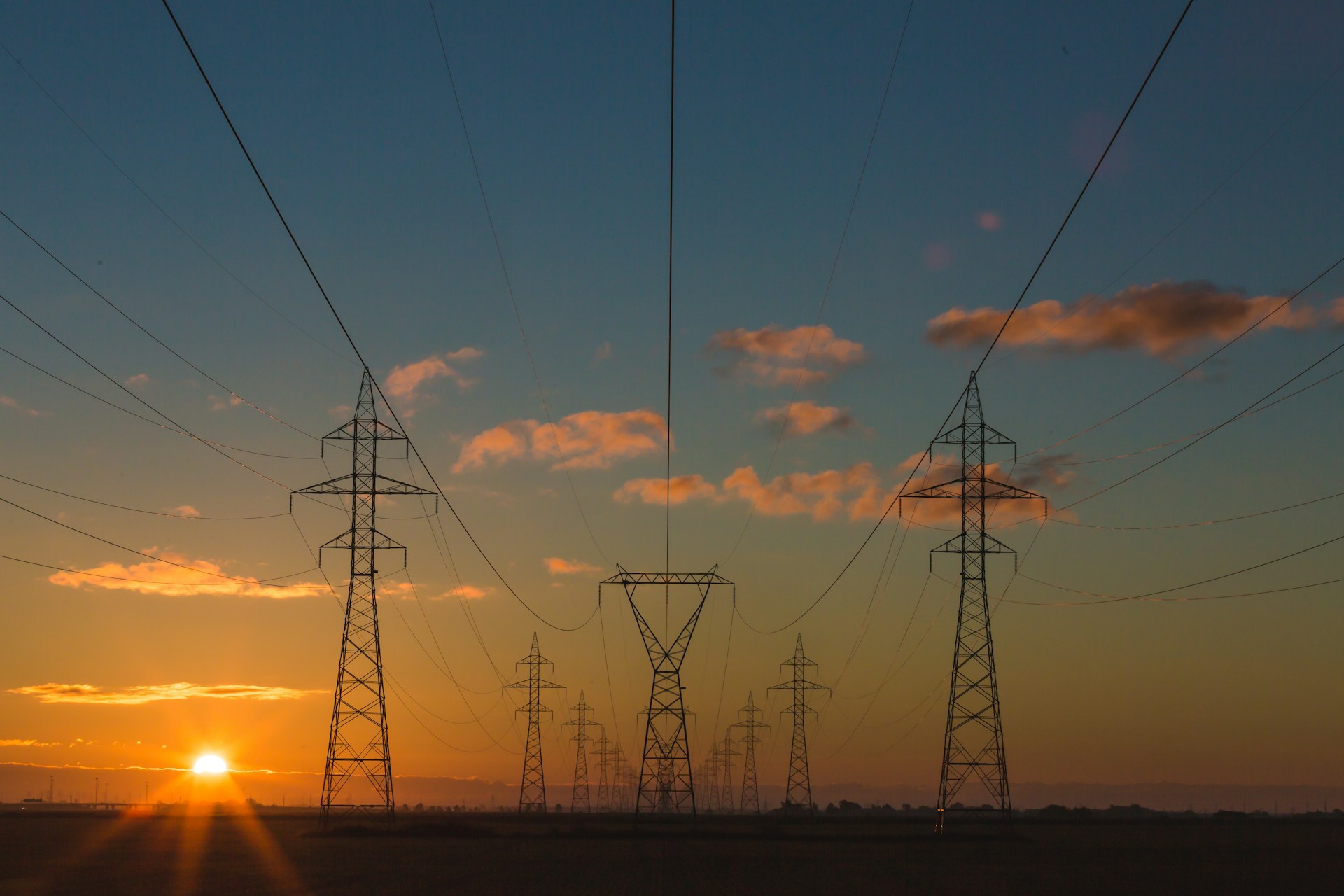
Canada exports enough electricity to power about 3.3 million American homes each year. Hydroelectric dams in Quebec, Manitoba, and British Columbia generate massive amounts of clean, renewable power that flows across the border.
This electricity helps states meet their renewable energy goals without building their own expensive infrastructure.
The grid connection between the two countries is so integrated that power flows back and forth based on real-time demand. States like New York, Vermont, Maine, and Washington rely heavily on Canadian imports to meet peak demand periods.
Building equivalent domestic capacity would take decades and cost hundreds of billions of dollars.
4. Uranium:
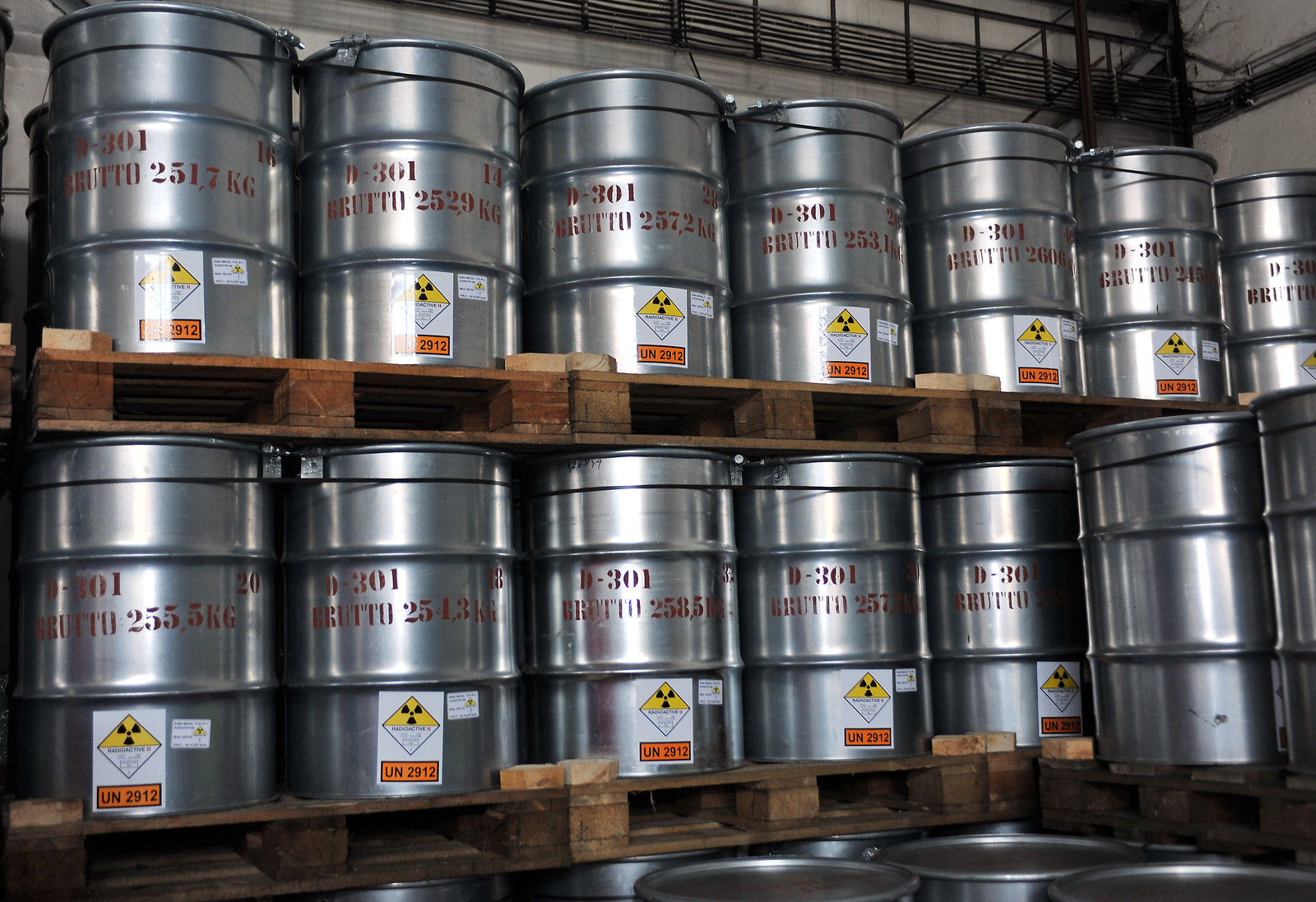
Canada produces about 24% of the world’s uranium supply, and much of it powers American nuclear reactors. This element is essential for generating clean, carbon-free electricity at the 93 nuclear power plants operating across the United States.
Saskatchewan’s Athabasca Basin contains some of the richest uranium deposits on the planet.
Nuclear power provides about 20% of America’s total electricity, running continuously as baseload power. Having a reliable, politically stable supplier right next door is crucial for energy security.
Without Canadian uranium, America would need to turn to less reliable suppliers or dramatically reduce its nuclear power capacity.
5. Potash:
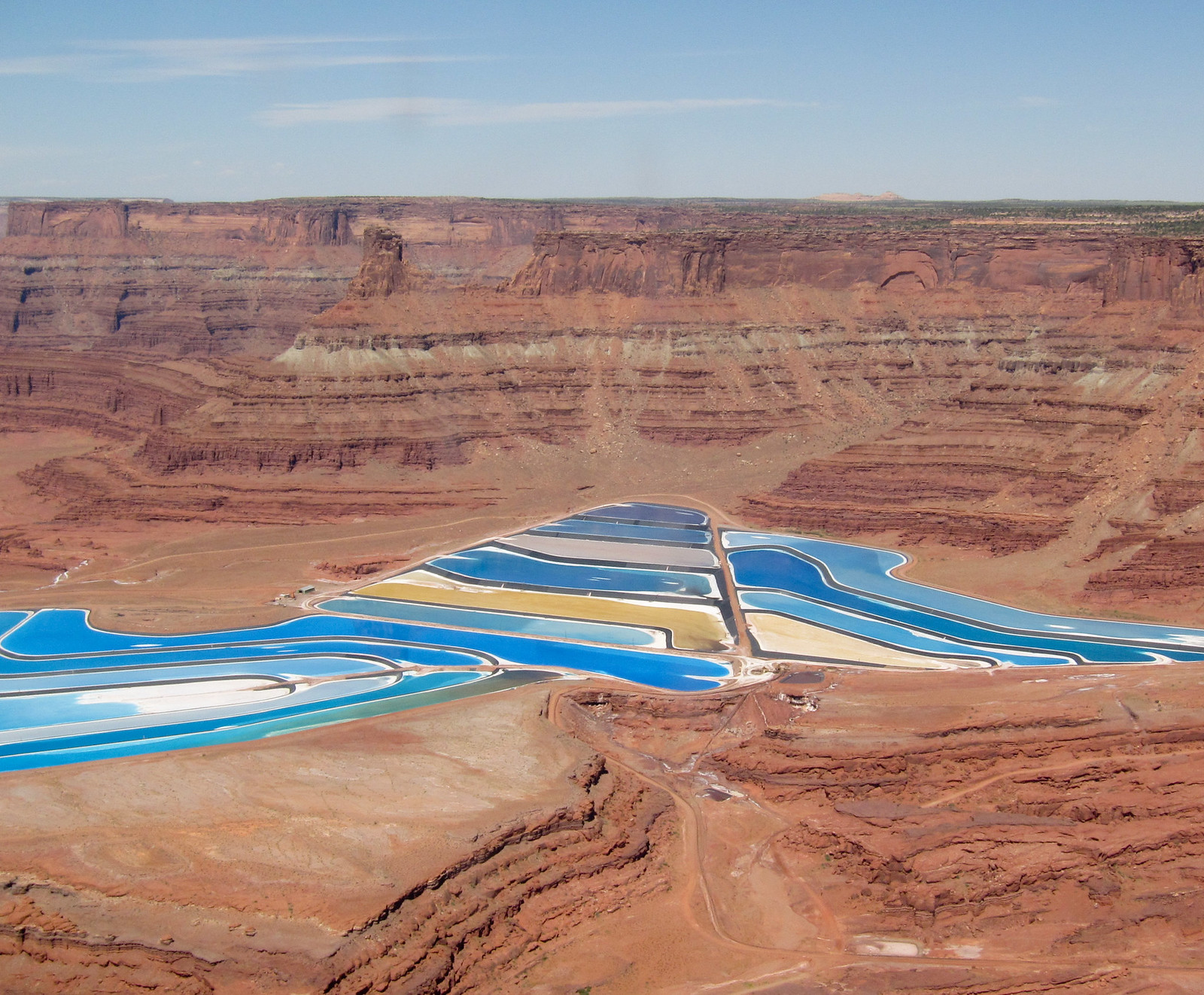
Farmers across America depend on Canadian potash fertilizer to grow the food that feeds hundreds of millions of people. Saskatchewan alone contains about 40% of the world’s potash reserves.
American farmers spread Canadian potash on millions of acres of cropland every single year to maximize yields.
Modern agriculture cannot sustain current production levels without synthetic fertilizers like potash. This mineral provides essential potassium that plants need to develop strong roots and produce abundant harvests.
Alternative sources exist but would be more expensive to extract and transport, potentially raising food prices.
6. Softwood lumber:
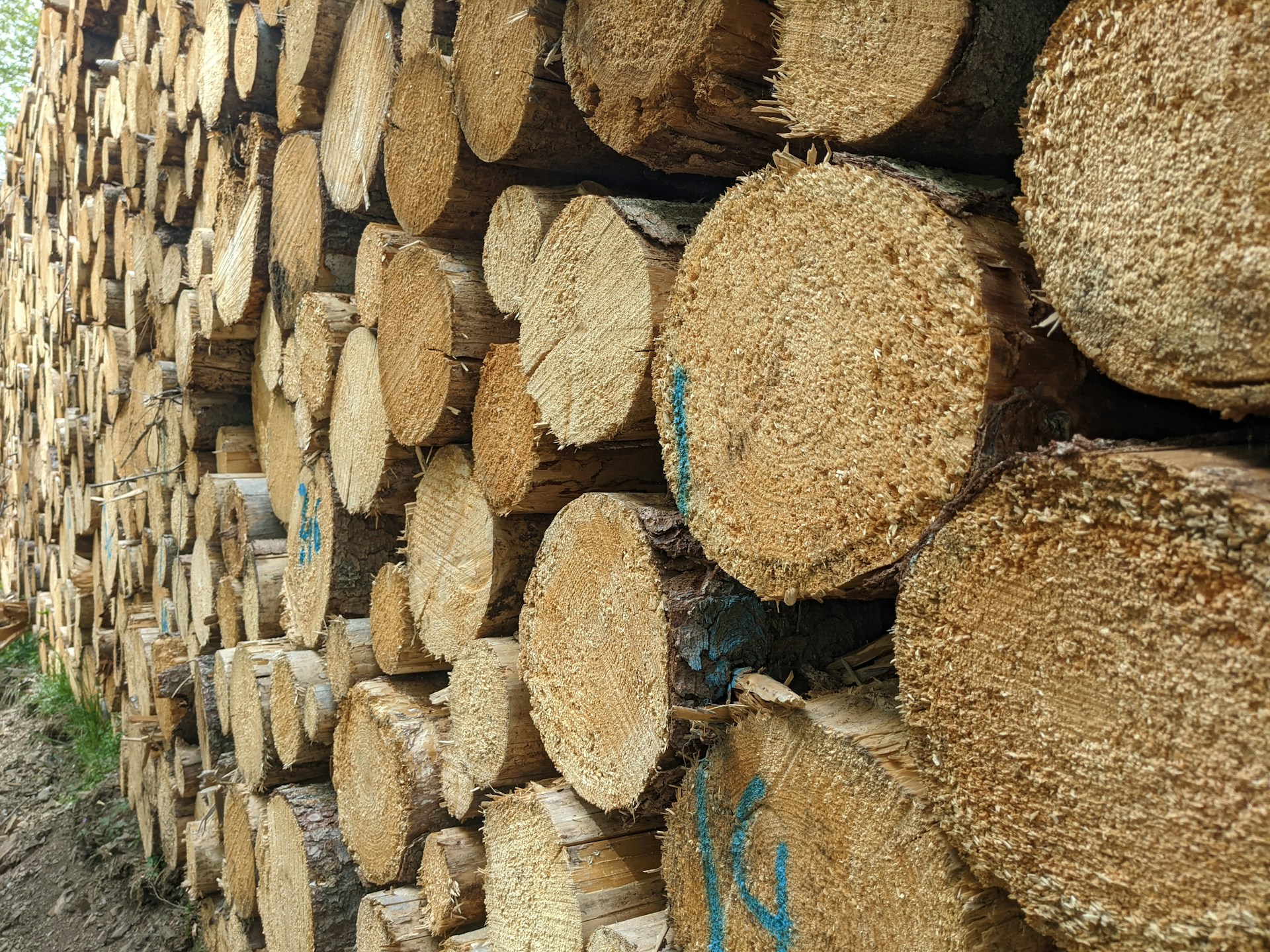
About 30% of the lumber used in the United States comes from Canadian forests for residential construction projects. These supplies provide the wooden frames, floors, and roofs that builders need for new American homes.
British Columbia and Quebec produce high-quality softwood species that are perfect for construction.
The American housing market would struggle without steady Canadian lumber supplies flowing south. Building enough domestic lumber production to replace Canadian imports would require decades of forest growth and substantial new sawmill capacity.
The lumber trade between these countries has persisted for over a century because it makes economic sense for both sides.
7. Aluminum

Everything from soda cans to aircraft parts contains Canadian aluminum that smelters produce using abundant hydroelectric power. Quebec’s cheap electricity makes it an ideal location for energy-intensive aluminum production.
The lightweight metal is essential for modern transportation, construction, and packaging industries.
Aluminum smelting requires enormous amounts of electricity, making Canada’s cheap hydro power a massive competitive advantage. American manufacturers have grown dependent on this steady supply for products ranging from car bodies to smartphone cases.
Without Canadian aluminum, American manufacturers would face higher costs and potential supply disruptions.
8. Wood pulp and paper products:

Paper products that Americans use every single day come from raw materials supplied by Canadian forests. The country’s massive pulp and paper industry processes millions of tons of wood fiber annually, much of which gets exported to American customers.
Quebec, Ontario, and British Columbia operate large-scale mills that produce everything from newsprint to packaging materials.
The e-commerce boom has dramatically increased demand for cardboard shipping boxes, making Canadian pulp even more critical. Paper mills require specific tree species and enormous capital investments that are difficult to replicate quickly.
This wood pulp also makes hygiene products like tissues and toilet paper that fill store shelves.
9. Nickel:
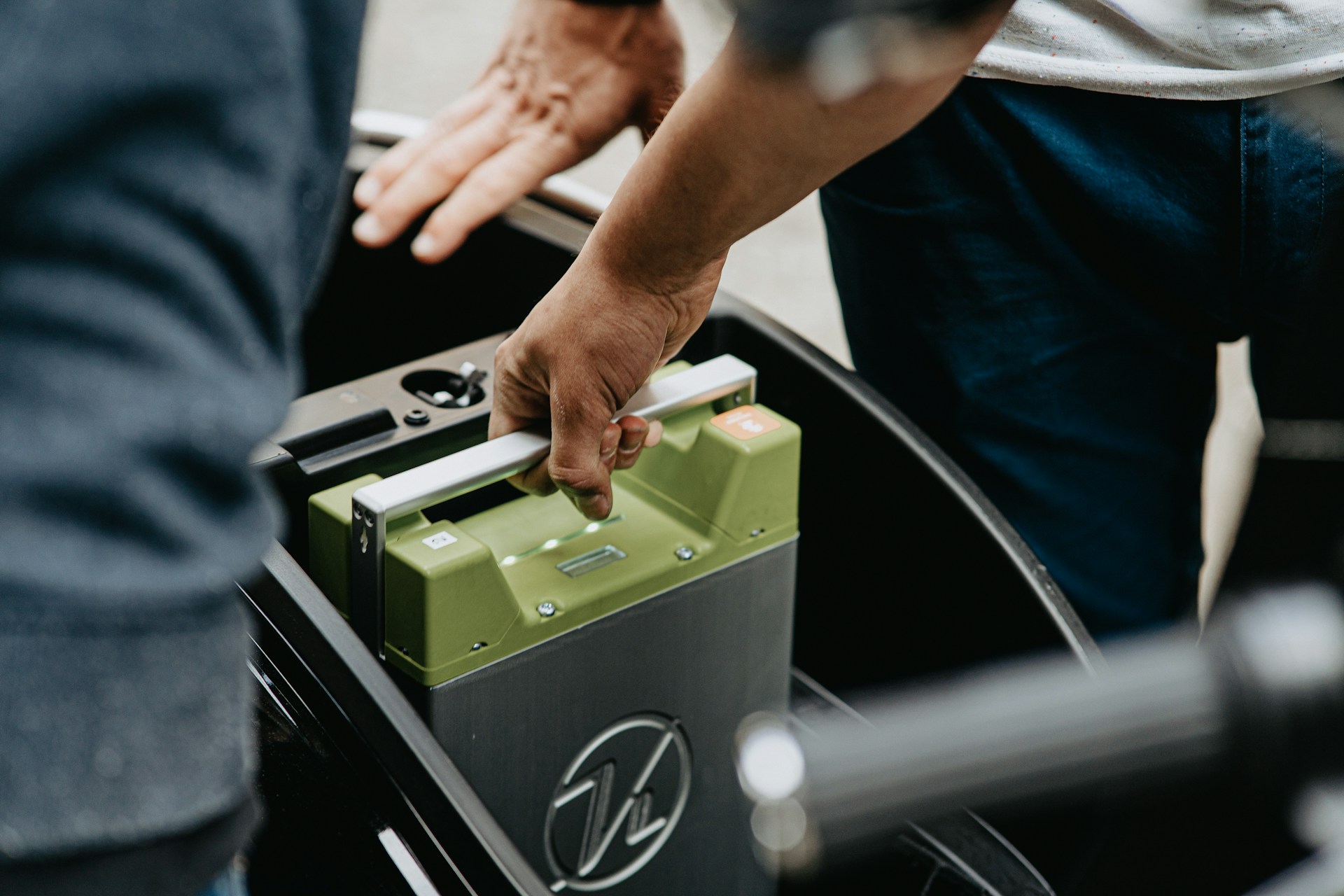
Stainless steel production and electric vehicle batteries both require nickel that Canadian mines produce in substantial quantities. Ontario and Manitoba contain deposits that supply both American manufacturing and the global market.
This silvery metal resists corrosion and adds strength to steel alloys used in everything from kitchen sinks to jet engines.
The electric vehicle revolution has made nickel even more valuable because lithium-ion batteries require it. Canadian nickel helps American automakers meet ambitious EV production targets while reducing dependence on less reliable foreign suppliers.
As battery demand explodes, Canadian nickel will become increasingly important for American energy independence.
10. Copper:

Modern electrical systems wouldn’t be possible without the highly conductive copper that Canadian mines produce. British Columbia, Ontario, and Quebec all have significant copper production that feeds American manufacturing demand.
This metal conducts electricity better than almost any other affordable material.
Every home, car, and electronic device in America contains copper components that conduct electricity safely and efficiently. The renewable energy transition requires even more copper for wind turbines, solar panels, and EV charging infrastructure.
As electrification accelerates across the economy, copper demand will keep climbing, and Canadian supplies will remain crucial.
11. Zinc:

Steel structures across America stay protected from rust thanks to Canadian zinc production that supplies galvanizing operations. This bluish-gray metal gets applied as a coating to everything from highway guardrails to roofing materials.
New Brunswick, Manitoba, and Ontario all produce significant quantities of zinc.
Galvanized steel infrastructure lasts decades longer than unprotected steel, saving massive amounts of money over time. American construction and infrastructure projects rely heavily on zinc-coated products to withstand harsh weather.
Canadian zinc mines operate under strict environmental standards while maintaining competitive production costs that benefit American buyers.
12. Canola oil:

Grocery store shelves across America are stocked with Canadian canola oil that provides a healthy cooking option. The country grows vast fields of canola across the prairies, producing oil that’s low in saturated fat.
Food manufacturers also use canola oil in countless processed foods, from salad dressings to baked goods.
This versatile oil has become a kitchen staple because it has a neutral flavor and a high smoke point. Canadian farmers have perfected canola cultivation, making it one of their most important crops.
American consumers benefit from reliable supplies of affordable, healthy cooking oil that Canadian agriculture provides year after year.
13. Fresh water!!!!!!!!!!!!!!

The Great Lakes and various cross-border waterways provide shared freshwater resources that both countries depend on. While water doesn’t flow south like other resources, the shared management of these water bodies is critical for American cities. Millions of Americans living near the border rely on water systems that Canada helps maintain through international agreements.
These freshwater resources support agriculture, manufacturing, power generation, and municipal water supplies across multiple states. The Great Lakes alone contain about 20% of the world’s surface freshwater and border eight American states.
Canadian cooperation in managing water quality and quantity ensures that American communities have access to clean, abundant water.
By Diana Tablan:
***
Diana Tablan is a seasoned writer who loves to explore fun lifestyle topics and various human interest stories. During her free time, she enjoys reading, painting, and cooking. Diana’s writings can be found in several popular online magazines in Canada and the US.
THESE ARE JUST THE MINERALS AND ENERGY WE SEND TO THE STATES... AND IF THEY STOPPED... THE U.S. ECONOMY WOULD TANK! (Unfortunately... so would ours!)
